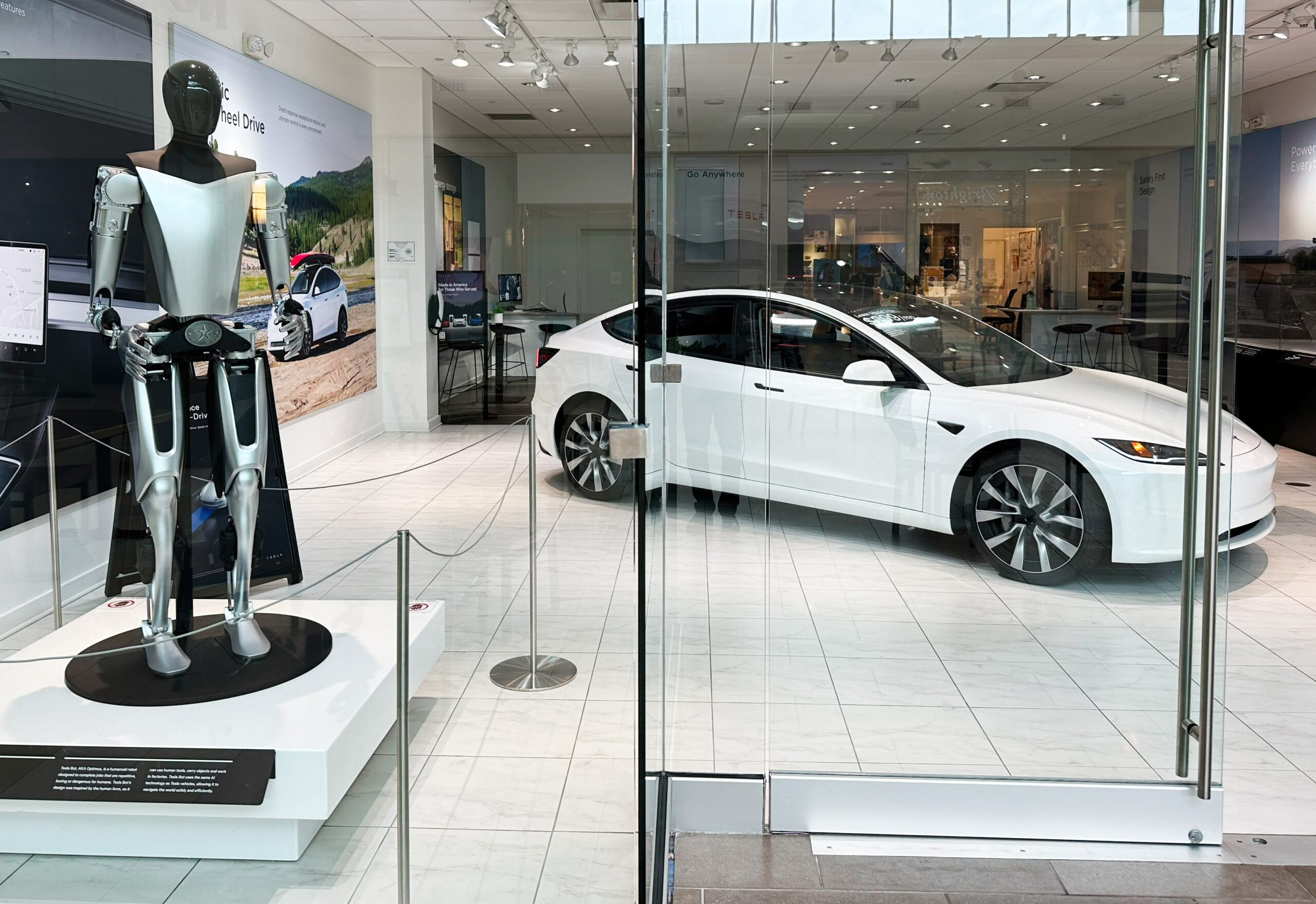
The race to deploy humanoid robots at scale is accelerating, with shipment forecasts projected to reach 10,000-15,000 units by 20271 and production costs dropping up to 40% year-over-year2. Yet beneath the surface of this rapid progress, five critical technical challenges threaten to slow the industry’s ambitious timelines. From battery life that lasts hours instead of full shifts, to hands that fumble with everyday objects, to balance systems that collapse without constant power, these engineering barriers will determine the real-world viability of humanoid robots for the next decade. Let’s explore the five critical technical challenges threatening to slow progress.
1. Battery Life & Energy Density
The Challenge:
Most humanoid robots operate for only 90 minutes to 2 hours per charge3, while industrial scenarios demand 8-20 hours of continuous operation. This power gap represents arguably the single most critical bottleneck preventing widespread deployment. Without solving battery limitations, humanoids cannot fulfill their promise as practical workplace tools.
Why It’s Hard:
The energy demands of bipedal locomotion create three interconnected problems that compound each other.
First, high-power discharges during dynamic movements drastically shorten battery lifespan. Intense activities like lifting, running, or rapid directional changes reduce cycle life, down to 200 cycles, far below the industry target of 600+ cycles needed for economically viable deployment. This means batteries require replacement every few months rather than lasting years.
Second, thermal management poses serious safety risks. During peak performance, battery temperatures can spike above 100°C within seconds, creating potential thermal runaway conditions that threaten both the robot and nearby workers.
Third, humanoid robots face a fundamental weight constraint that electric vehicles don’t encounter. While EVs can dedicate one-third or more of their mass to battery systems, humanoids are limited to roughly one-eighth battery weight to maintain balance and agility. This forces engineers into a three-way trade-off: maximizing energy density (Wh/kg), minimizing total weight to preserve mobility, and achieving sufficient runtime, with improvements in one area often compromising the others.

Current Reality:
Conventional Li-ion batteries constrain most humanoids to 2-4 hour operation windows4, forcing manufacturers to implement hot-swapping protocols or intermittent charging stations to maintain productivity throughout standard work shifts. This workaround adds operational complexity and infrastructure costs.
Alternative chemistries offer theoretical promise but remain impractical for near-term deployment. Technologies like zinc-air and quantum dot batteries boast high theoretical energy densities, but most remain in pre-commercial development stages. As a result, Li-ion will likely remain the default choice for the next 3-5 years, cementing the runtime limitations as a persistent challenge for the industry.
2. Dexterity & Fine Motor Control
The Challenge:
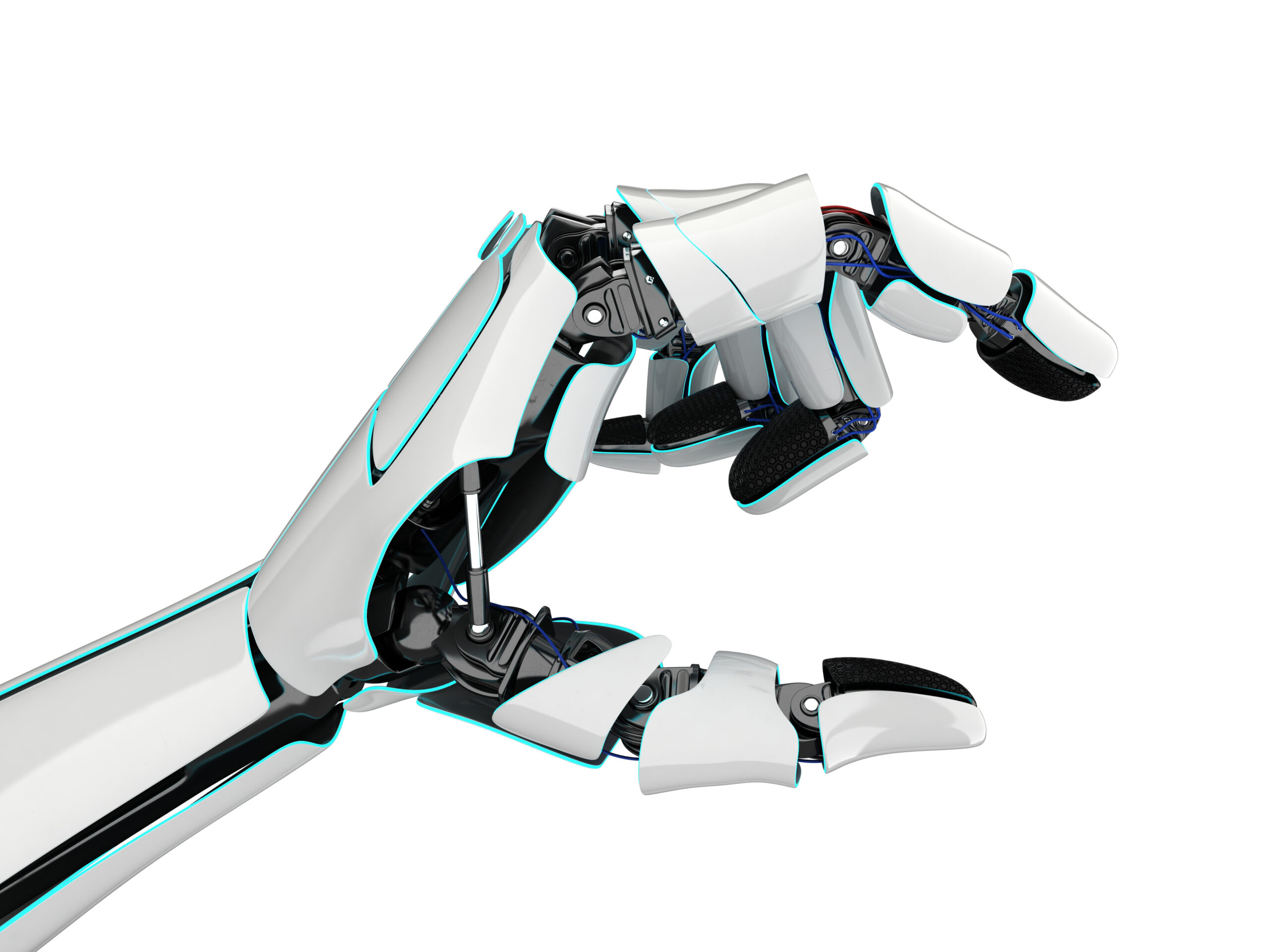
Human hands possess 27 degrees of freedom5 and research shows that achieving human-like functionality requires at least 19-23 degrees of freedom6. But replicating hand anatomy is only part of the solution. The real challenge lies in recreating the sophisticated sensorimotor control that enables human dexterity.
Why It’s Hard:
Dexterous manipulation demands that robots safely handle objects of varying shapes, sizes, and materials; perform delicate tasks without causing damage, maintain human-like spatial awareness, and provide tactile feedback to continuously adjust grip force. Beyond the control challenge, developing integrated robotic hands that achieve human-level dexterity and grasping force without requiring additional external actuators remains technically difficult.
Cost presents another major barrier. According to Morgan Stanley’s analysis of Tesla Optimus Gen-2, hands account for approximately 17.2% of the total Bill of Materials (BOM) cost, or about $9,500 out of a total BOM cost of $50,000-60,000 per unit7.
Current Reality:
Performance varies dramatically depending on task complexity. While robots achieve nearly 100% success rates with simple objects like apples and tennis balls, success rates plummet to around 30% for complex items such as spoons, screwdrivers, or scissors.
The timeline for improvement remains uncertain. Roboticist Rodney Brooks predicts that deployable humanoid robot dexterity will remain “pathetic” compared to humans well beyond 20368. In practice, many humanoid demonstrations sidestep the dexterity problem entirely; robots often rely on simple claws or hinged grippers rather than attempting true multi-fingered manipulation.
3. Dynamic Balance & Stability
The Challenge:
Unlike wheeled robots that remain stable when stationary, humanoid robots require “active stability” as they must expend continuous power and computational resources simply to remain upright. This fundamental design constraint means bipedal humanoids are constantly calculating and adjusting their posture, even when standing still. In addition, the loss of power on a humanoid robot has potential safety risks that must be considered.
Why It’s Hard:
Dynamic balancing demands real-time coordination across multiple systems simultaneously. Control algorithms must precisely synchronize dozens of actuators and sensors while managing kinematic redundancy and maintaining the Zero Moment Point (ZMP)9, i.e. the critical balance threshold that determines whether a robot tips over. Any delay or miscalculation in this feedback loop can trigger a fall.
The consequences of instability are severe. Humanoids typically weigh 50-150 pounds, and unlike lightweight research robots that can tumble harmlessly, these machines are “not very good about recovery.”10 If a humanoid falls onto a person, the impact can cause serious injury. Compounding this risk, robots collapse immediately when powered down, requiring continuous energy expenditure just to maintain a standing position as there’s no “passive” stable state.
Fall recovery presents an additional challenge that remains largely unsolved. While lightweight experimental systems can right themselves after a tumble, production humanoids struggle to recover independently, often requiring human intervention to resume operation.
 TheHumanoid.AI: Zero Moment Point (ZMP) Illustration
Current Reality:
High-profile failures underscore the ongoing stability challenges. Multiple documented collapses have occurred at trade shows and demonstrations. These public failures highlight the gap between controlled laboratory conditions and real-world reliability.
As a result, most current deployments keep humanoids physically separated from human workers using barriers or restricted zones. While this containment approach limits their utility and core value proposition of human-robot collaboration, it provides a meaningful path towards full human-robot collaboration.
The industry is responding with new safety frameworks. IEEE and ISO are actively developing standards specifically for “industrial mobile robots with actively controlled stability,” recognizing that humanoids require fundamentally different safety protocols than traditional industrial robots. However, these standards are still being finalized, leaving deployments in a regulatory gray area.
4. The Autonomy Gap
The Challenge:
Despite impressive demonstrations, most humanoid robots today remain heavily dependent on human oversight for navigation, manipulation, and task switching. Current showcases often obscure these limitations through carefully staged environments, simplified scenarios, or undisclosed remote supervision, thus creating an inflated perception of autonomous capability.
Why It’s Hard:
Real-world work environments present fundamental challenges that controlled demonstrations sidestep. Industrial and commercial settings are inherently unpredictable and unstructured, filled with variables that change daily; moved equipment, unexpected obstacles, varying lighting conditions, and non-standard object placements. True autonomy requires robots to adapt continuously without human intervention.
The capability gap is uneven across different domains. While AI-powered perception and decision-making systems are rapidly approaching human-level performance in pattern recognition and scene understanding, physical manipulation capabilities lag far behind. A robot may “see” and “understand” what needs to be done but lack the dexterity and adaptive control to execute the task reliably.
Task generalization compounds these challenges. Robots trained extensively on specific tasks, such as picking a particular component in a fixed orientation, often fail when confronted with minor variations; a different grip angle, slightly different dimensions, or altered placement. Each new variation effectively becomes a new task requiring additional training data. While vision systems trained with synthetic images have vastly improved, there is no source of synthetic tactile input, and vision alone is not sufficient for all grasping tasks.
Finally, many physical work settings demand specialized domain knowledge that goes beyond basic task execution. Understanding workplace safety protocols, recognizing quality defects, or adapting to equipment malfunctions requires contextual reasoning that current systems struggle to replicate, raising the bar significantly on both training data requirements and real-time decision-making.
Current Reality:
The gap between demonstration and deployment capability is substantial. Many impressive videos and live demos involve significant teleoperation, e.g. human operators remotely controlling critical aspects of the robot’s actions, but this assistance often goes undisclosed, creating misleading impressions of autonomous performance.
Quantitative data reveals the challenge clearly. AgiBot’s GO-1 humanoid initially achieved only 46% task completion in real-world scenarios. After extensive training on over 1 million robot trajectories across 217 distinct tasks, performance improved to 78%, a significant gain, but still far from the 95%+ reliability threshold typically required for unsupervised industrial deployment.11
The timeline for genuine autonomy remains uncertain. Full autonomy without human supervision is likely years away for most commercial applications, with estimates ranging from 3-7 years depending on the complexity of the work environment and task requirements.
5. Safety & Regulatory Standards
The Challenge:
Humanoid robots face fundamentally different safety requirements than traditional industrial robots. Their combination of substantial mass (50-190 pounds), active stability systems, and intended proximity to humans creates collision and fall risks that demand entirely new safety frameworks. Unlike stationary industrial arms that can be caged, humanoids are designed to work alongside people thereby making the margin for error far smaller.
Why It’s Hard:
The regulatory infrastructure is racing to catch up with technological development. IEEE’s draft standard ISO 25785-112 specifically addressing humanoid safety was only published in May 2025, meaning the industry has been deploying robots without established safety benchmarks. This regulatory vacuum leaves manufacturers, employers, and workers without clear guidelines for acceptable risk levels.
The pace of innovation creates inherent tension between safety and progress. Companies face pressure to deploy quickly to capture market share and justify massive investments, while thorough safety testing requires time, extensive real-world trials, and conservative iteration. This conflict between deployment speed and proper validation creates scenarios where robots may enter workplaces before their failure modes are fully understood.
Domestic and care applications raise the stakes even higher. In home environments, where humanoids might assist elderly individuals or interact with children, reliability requirements approach perfection. A malfunction that would be merely costly in a warehouse could be catastrophic in a nursing home or family residence, demanding safety thresholds orders of magnitude more stringent than industrial settings.
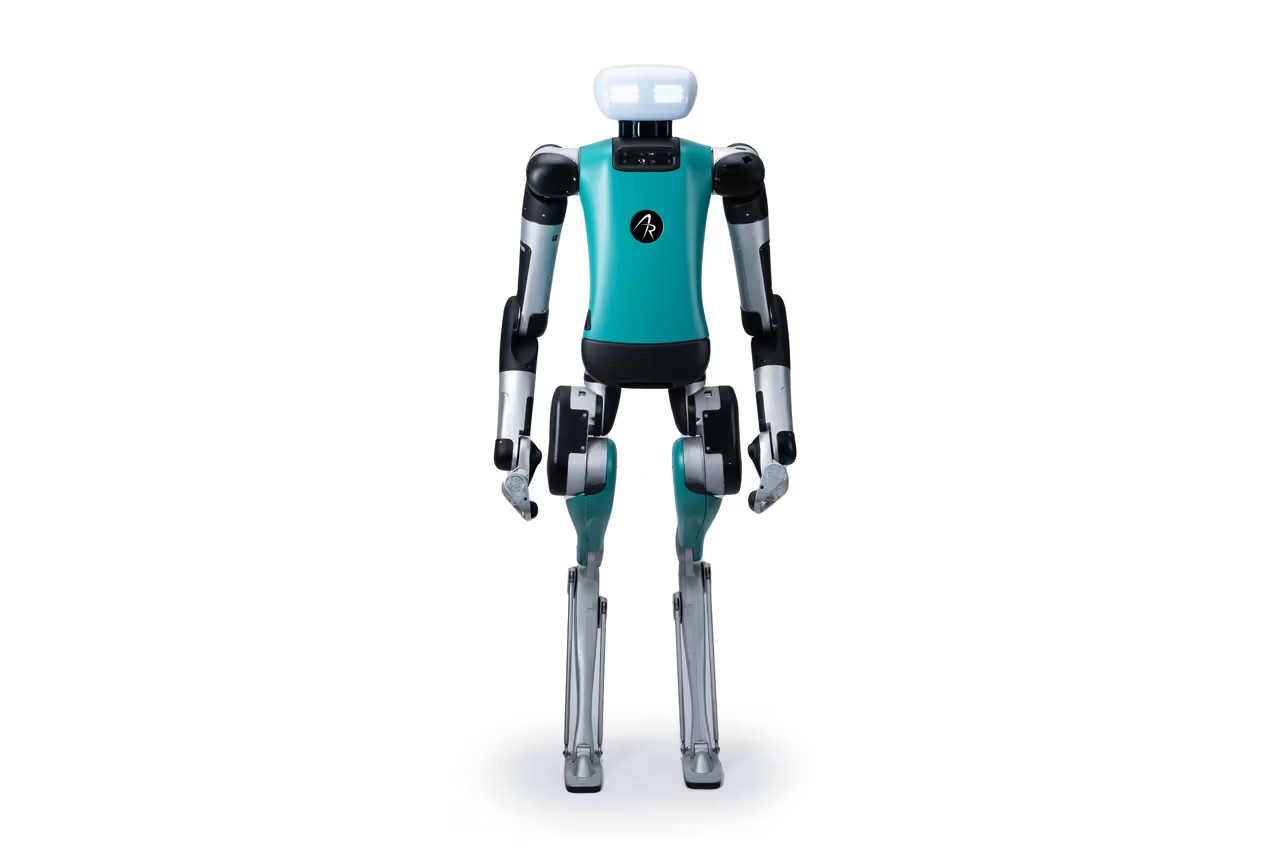 Image from Agility Robotics
Current Reality:
Current deployments reflect these unresolved safety concerns. Most humanoids operate in controlled, fenced environments physically separated from human workers, essentially treating them like traditional industrial robots despite their design intent for collaboration. This containment strategy undermines the core value proposition of humanoid form factors while acknowledging that safe human-robot collaboration remains unproven.
The fundamental question remains unresolved: can humanoids ever be made safe enough for truly collaborative work, or will they remain confined to segregated spaces indefinitely? In the words of Peggy Johnson, CEO of Agility Robotics “No humanoids can be in close proximity of humans until they reach a safety bar which is known as cooperative safety, that is where Agility has focused.”13
The Bottom Line
These five challenges represent the critical gap between demonstration and deployment. While AI-powered perception and decision-making advance rapidly toward human parity within 2-3 years, the physical constraints; battery endurance, dexterous manipulation, and dynamic balance, progress far more slowly. This divergence creates robots that can increasingly understand their environment but lack the physical capability to act on that understanding reliably.
The industry has already proven it can manufacture humanoids at scale, with production facilities coming online worldwide. Manufacturing capacity, however, is not the bottleneck. The fundamental question is whether these engineering barriers can be overcome before market patience and investor confidence wane.
The answer will define the next decade of robotics: either humanoids become transformative general-purpose tools that work safely alongside humans across diverse environments, or they remain specialized equipment confined to controlled industrial settings where their limitations can be carefully managed. Between these outcomes lies billions in investment, thousands of jobs, and the future shape of human-robot collaboration.
Sources:
- Omdia: Global humanoid robot shipments to exceed 10,000 units by 2027 and reach 38,000 units in 2030
- The global market for humanoid robots could reach $38 billion by 2035 | Goldman Sachs
- Robots need better batteries
- Top 12 Humanoid Robots of 2025 – Humanoid Robotics Technology
- Evolving humanoid robotic dexterity from toddler to adult – The Robot Report
- Tesla’s Robotic Revolution: Optimus Hand Takes a Giant Leap with 22 Degrees of Freedom
- Exploring Humanoid Robots.pdf
- Robot Dexterity Still Seems Hard – by Brian Potter
- Zero Moment Point (ZMP) – Humanoid
- Industry Insights: Humanoid Robots in 2025: The Next Stage of Evolution
- Agibot rivals Tesla’s Optimus with 5,000 humanoid robots in 2025
- ISO/WD 25785-1 – Robotics — Part 1: Safety requirements for dynamically stable industrial mobile robots (legged, wheeled, or other forms of locomotion) – Part 1: Robots
- How Agility Robotics scales AI model training for next-generation humanoid robots using AWS
 Software: Design Complete
 Hardware: Pre-production units for design verification
 MFG. Readiness: CM schedule and budget, Unit build tracking